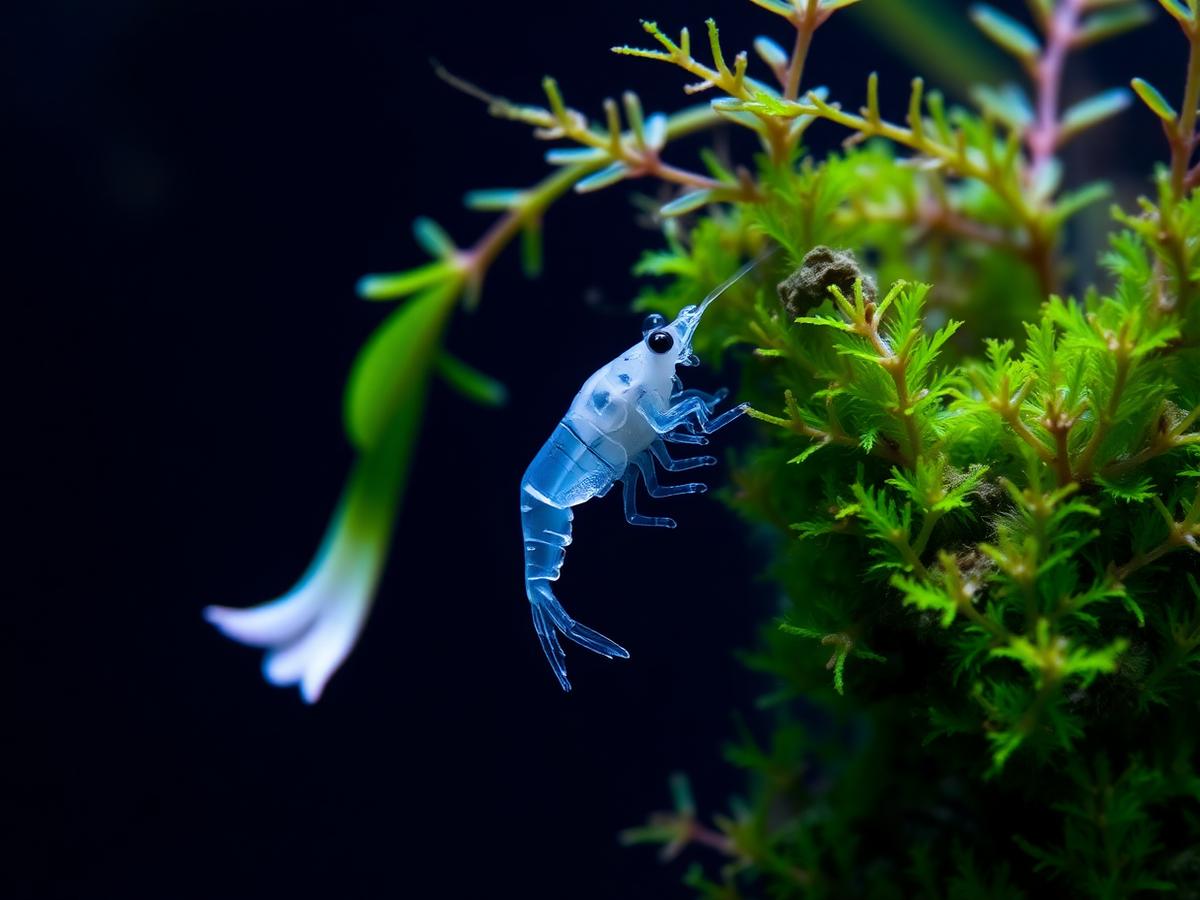
Live Ghost Shrimp — 50 Count
The size most hobbyists land on. Enough shrimp to keep a mid-size community tank clean, or to feed a single large predator for several weeks.
$39
$48
$0.78 each
- Live arrival guarantee on every order
- Ships Monday–Wednesday, continental US
- Overage included to cover transit attrition
- 20–40 gallon tanks
- Axolotl and turtle keepers
- Algae control
About these shrimp
Live American glass shrimp (Palaemonetes paludosus), hand-counted and packed the morning they ship. Our best-selling tier and the right starting point for most community tanks and single-predator feeding schedules.
Every batch spends a minimum of seven days in our conditioning system before it is eligible to ship. During that window shrimp are held at a low stocking density, fed a rotating diet of biofilm, blanched vegetables and a calcium-supplemented prepared food, and watched daily for molting problems, cloudy muscle or lethargy. Anything that does not look right is pulled.
Counts are hand-verified twice — once at pull and once at bagging — and we include a small overage on every order to cover normal transit attrition. Shrimp travel in oxygen-charged bags with a fragment of sponge or moss for cover, inside a foam-insulated box with a seasonal heat or cool pack.
Acclimation instructions
Follow these in order. Most arrival losses that are not caused by shipping are caused by skipping step four.
- 1
Open the box immediately
Unpack on arrival, even if the tank is not ready. Float nothing yet — first look at the bag and note any casualties for a guarantee claim within 4 hours of delivery.
- 2
Dim the lights
Turn off the aquarium light and work in low light for the next hour. Bright light on top of transit stress is the most common avoidable loss.
- 3
Temperature match
Float the sealed bag in the tank for 20–30 minutes so the shipping water reaches tank temperature. Do not open the bag during this step.
- 4
Drip acclimate for 60–90 minutes
Pour the shrimp and their water into a clean container and drip tank water in at 2–3 drops per second until the volume has roughly tripled.
- 5
Net them across
Move the shrimp with a soft net or cup. Never pour shipping water into your aquarium — it carries ammonia from the trip.
- 6
Leave them alone
Add a piece of blanched vegetable or a bit of biofilm-rich moss, keep the light off for the rest of the day, and skip feeding heavily for 24 hours.
Compatibility
Safe tank mates
- Neocaridina (cherry) shrimp
- Amano shrimp
- Nerite, mystery and ramshorn snails
- Small tetras, rasboras and danios
- Corydoras and otocinclus catfish
- Guppies, endlers and platies
- Kuhli loaches
- Planted community tanks
Will eat them
- Cichlids of any size
- Bettas with a high prey drive
- Goldfish and larger barbs
- Crayfish and freshwater lobsters
- Large gouramis and angelfish
Questions about this product
Absolutely. Drip acclimate the whole group in one container, then net them into each tank. Do not split the sealed bag before acclimation.
Customer reviews
All alive, all active
Shipped Monday, arrived Tuesday morning in a heat-packed box. Every single shrimp was swimming when I opened the bag. They were picking at my hair algae within the hour.
Cold weather order, zero losses
It was 14 degrees the day these landed. Insulated box, 72-hour heat pack, and a bag of water that was still warm. I've had worse results ordering in July from other sellers.
Good feeders, good size
Bought these as feeders for a pair of adult angelfish. Sizes were consistent and nothing looked sickly. Docked a star only because I wanted a few more juveniles in the mix.
You may also want
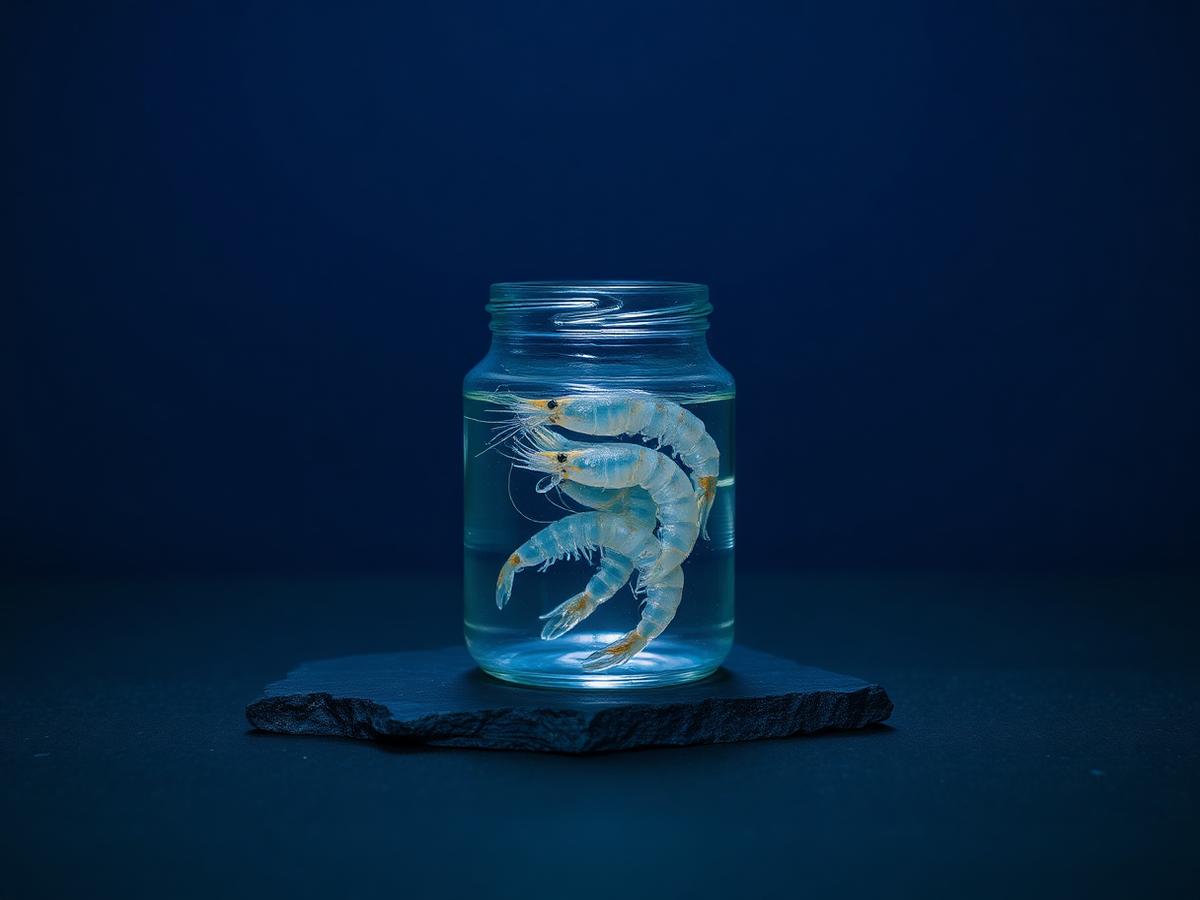
Live Ghost Shrimp — 25 Count
A starter cleanup crew for tanks from 5 to 20 gallons. Enough shrimp to establish visible activity without overloading a small bioload.
$24
$0.96 each
 Best value
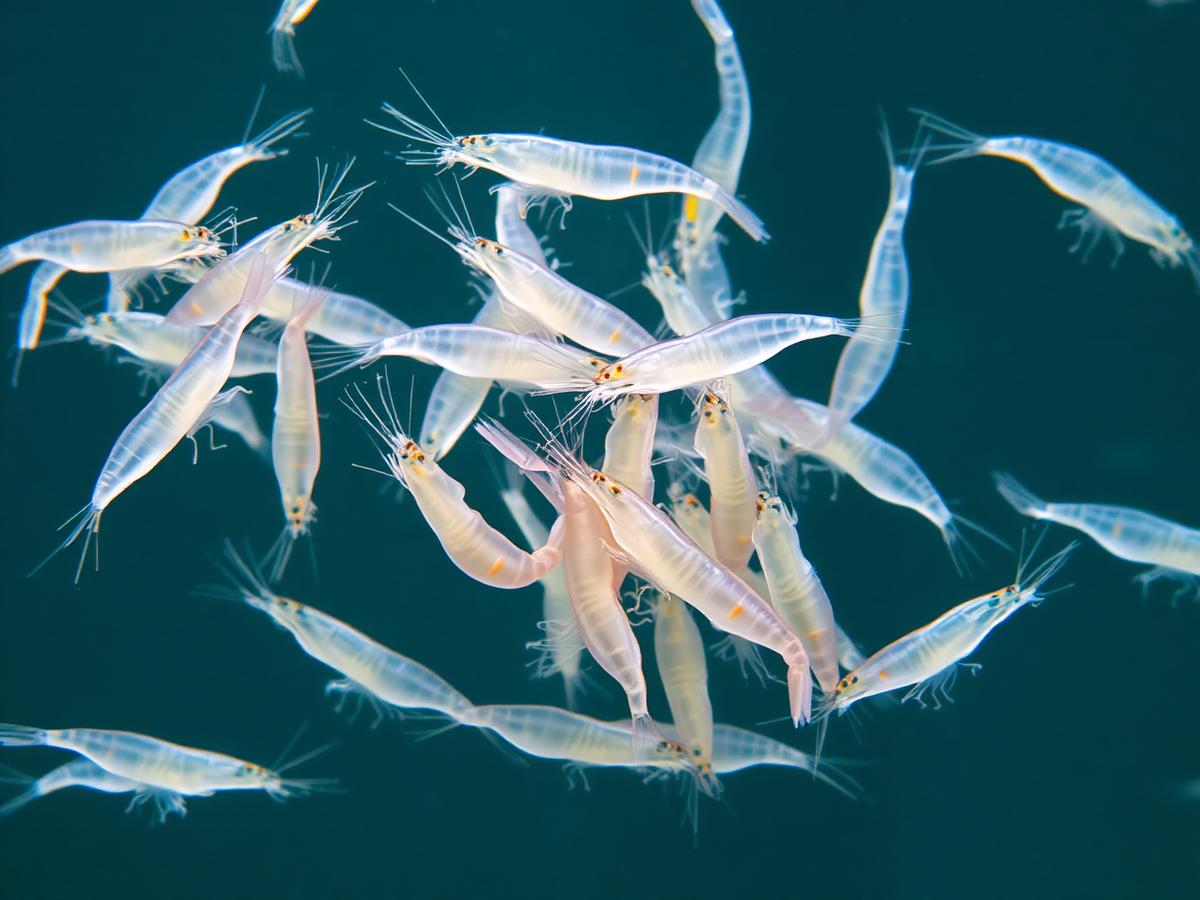
Live Ghost Shrimp — 100 Count
Volume pricing for keepers running a feeder holding tank, a heavily planted display, or a weekend of premium live bait.
$69
$0.69 each
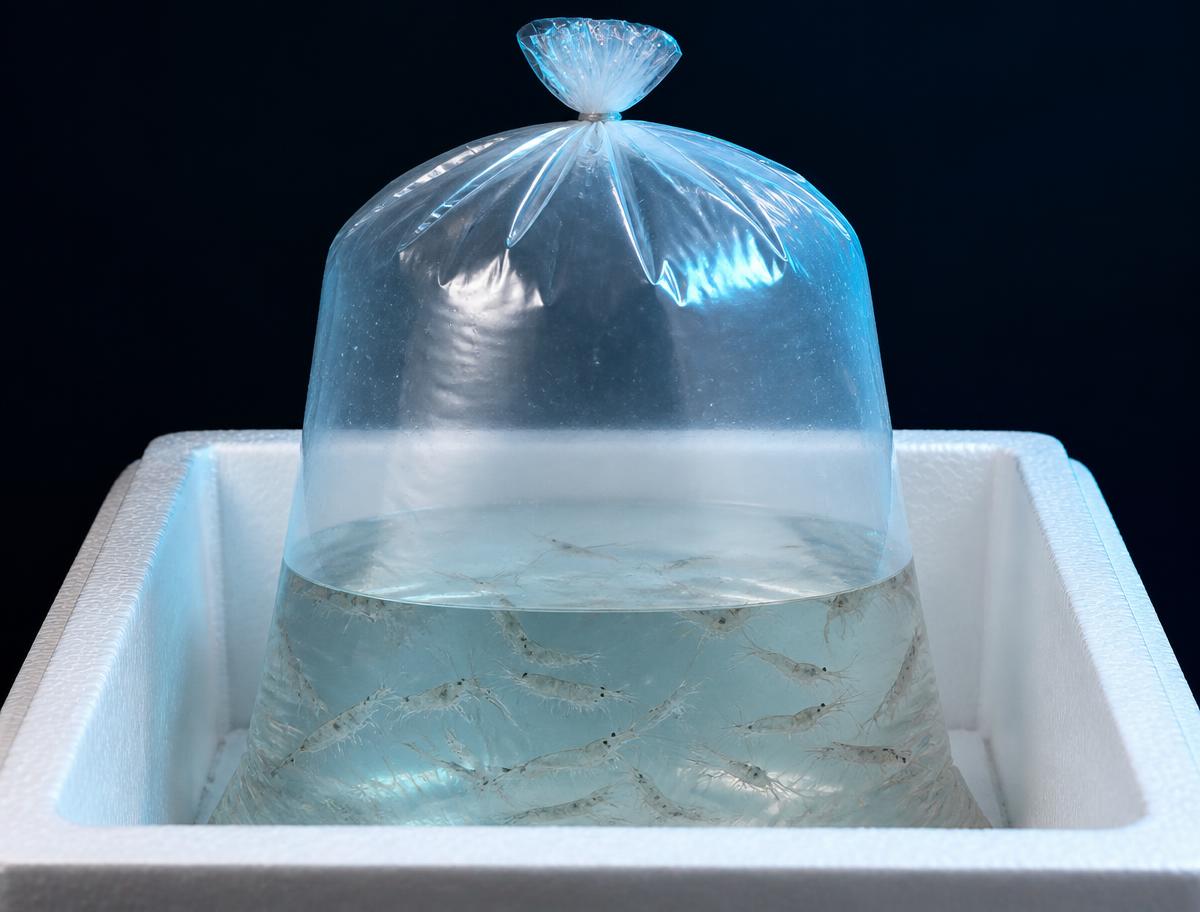
Live Ghost Shrimp — 250 Count
Bulk pack for fish rooms and small retailers. Packed in multiple bags to keep density low and oxygen high across the whole shipment.
$149
$0.60 each