Florida aquaculture | Waitlist
Live Saltwater Grass Shrimp
Saltwater grass shrimp, also called marsh grass shrimp, are small estuarine crustaceans with a place in marine aquariums, live feeding and inshore bait fishing. Join our Florida aquaculture waitlist to hear when batches are ready for review. No stock or shipping date is confirmed.
Palaemonetes pugio
Join the Waitlist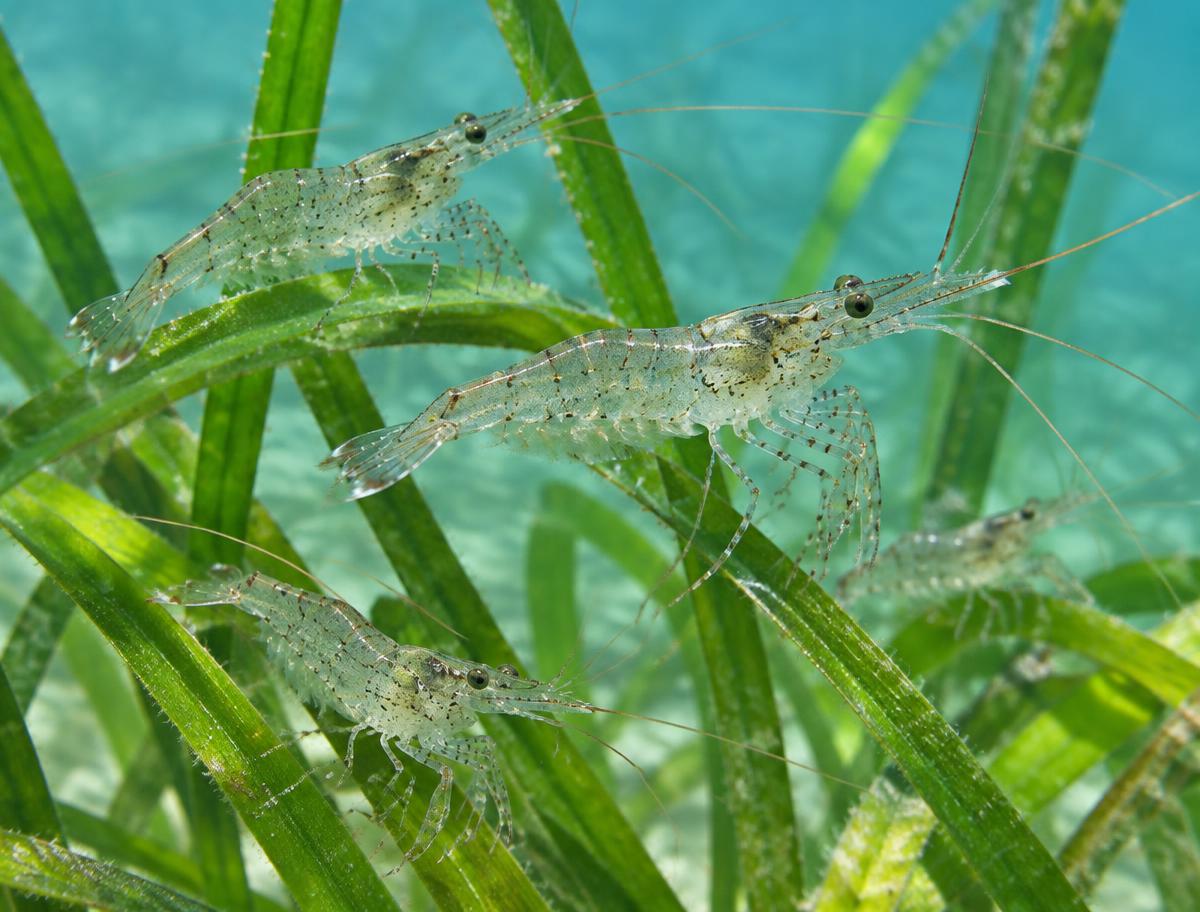
Join the waitlist
Be first to know when batches or cultures are ready for review. No payment, guaranteed allocation or promised ship date.
From marine tanks to inshore bait
Marine aquarium cleanup crew
Grass shrimp graze biofilm and scavenge small food particles in suitable marine systems. They complement routine maintenance, not replace filtration or water changes. Predatory tank mates may eat them.
Saltwater feeder shrimp
Live grass shrimp can provide hunting enrichment for seahorses, lionfish and other marine predators that accept appropriately sized prey. Match prey size to the animal and use a varied, nutritionally balanced diet.
Live bait grass shrimp
Anglers use grass shrimp as small live bait for inshore species. Keep holding water aerated and temperature stable, and check local bait-use and transport rules. Never release unused shrimp.
Salinity, temperature and acclimation
Palaemonetes pugio tolerates a broad range of estuarine salinities, but tolerance is not permission for a sudden change. Use a refractometer and match the batch holding salinity before slowly adjusting to your system. Brackish water around 10 to 25 ppt is a common holding reference, not a confirmed shipping specification.
A moderate temperature around 68 to 80 degrees F (20 to 27 degrees C), stable oxygenation, shelter and undetectable ammonia and nitrite are sensible care starting points. Avoid heat spikes, copper treatments and crowded holding containers.
Prepare a separate cycled holding tank. Compare temperature and salinity with the receiving water, then acclimate gradually in a clean container with aeration as needed. For delayed transit, seek bag-water-specific guidance rather than extending acclimation in fouled water. Do not pour transport water into your display.
Feed lightly with small marine foods and remove leftovers. These shrimp are not automatically reef-safe with every tiny animal or guaranteed compatible with every predator. Future batch-specific care and holding details will be confirmed before any order proceeds.
Grass shrimp vs. freshwater ghost shrimp
P. pugio comes from estuarine habitats. P. paludosus belongs in freshwater systems. Neither should be moved into the other's holding water without species-appropriate guidance.
Explore freshwater ghost shrimp productsSaltwater grass shrimp questions
This page collects waitlist and nonbinding pre-order interest only. No stock, price or dispatch date is confirmed. We will share batch details when they are ready for review.
Explore more Florida aquatics
 Waitlist
Live Freshwater Copepods
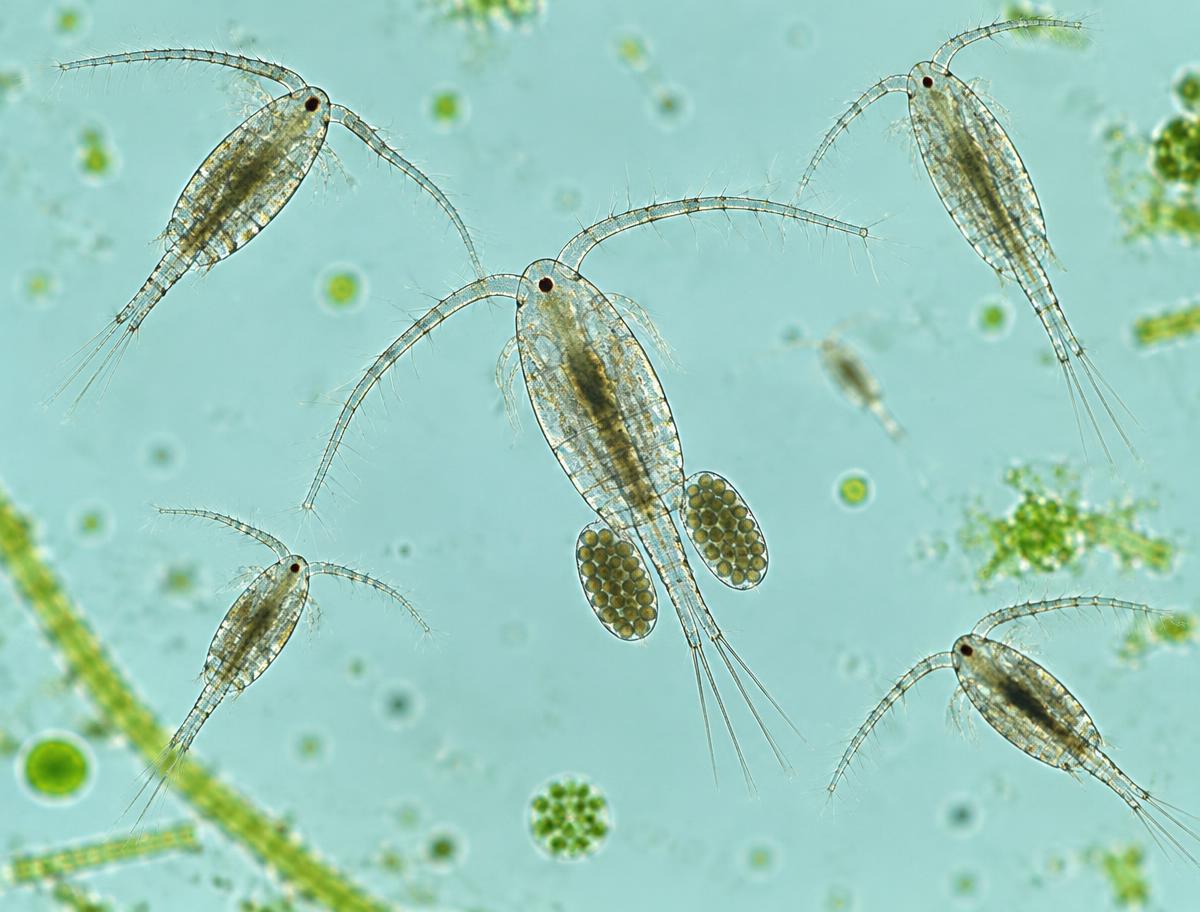
Freshwater cyclopoid copepod cultures
Live freshwater copepods bring tiny, moving food and microfauna diversity to freshwater systems. Our cyclopoid copepod culture waitlist is for future starter cultures, not marine pods. Join to be first to know when cultures are ready, with no payment or confirmed shipping date.
No payment today
Join the waitlist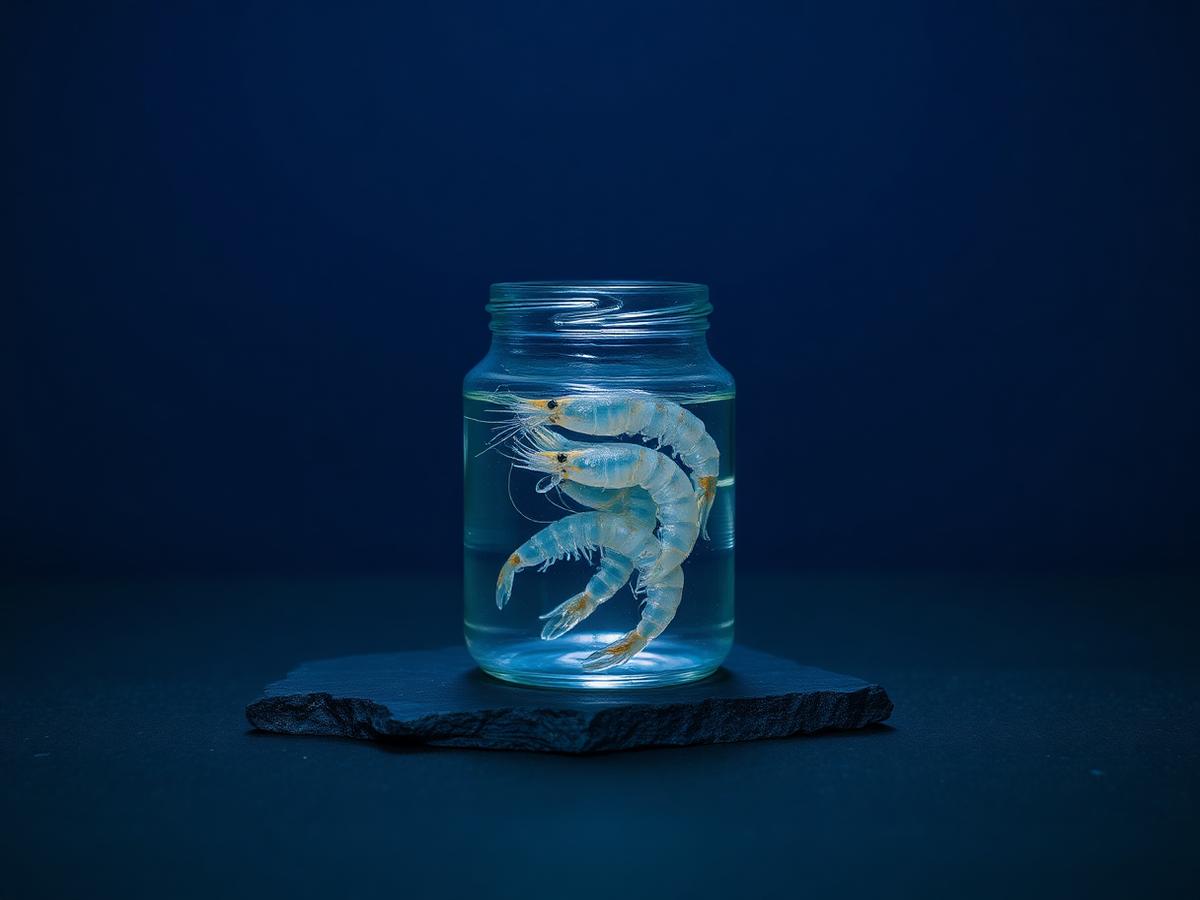
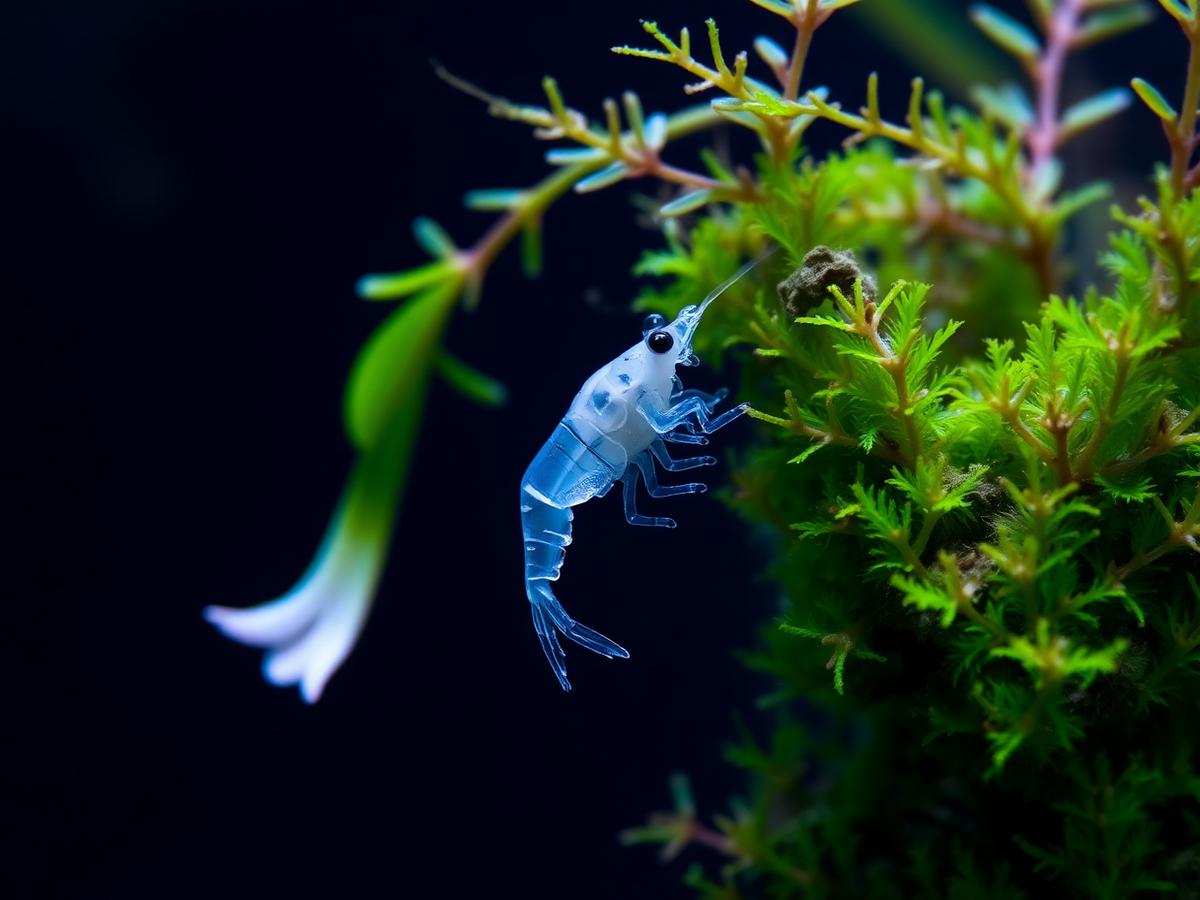
Live Ghost Shrimp 25 Count
A starter cleanup crew for tanks from 5 to 20 gallons. Enough shrimp to establish visible activity without overloading a small bioload.
$32
$1.28 each
 Most popular
Live Ghost Shrimp 50 Count
The size most hobbyists land on. Enough shrimp to keep a mid-size community tank clean, or to feed a single large predator for several weeks.
$49
$0.98 each