Florida aquaculture | Waitlist
Live Freshwater Copepods
Live freshwater copepods bring tiny, moving food and microfauna diversity to freshwater systems. Our cyclopoid copepod culture waitlist is for future starter cultures, not marine pods. Join to be first to know when cultures are ready, with no payment or confirmed shipping date.
Freshwater cyclopoid copepod cultures
Join the Waitlist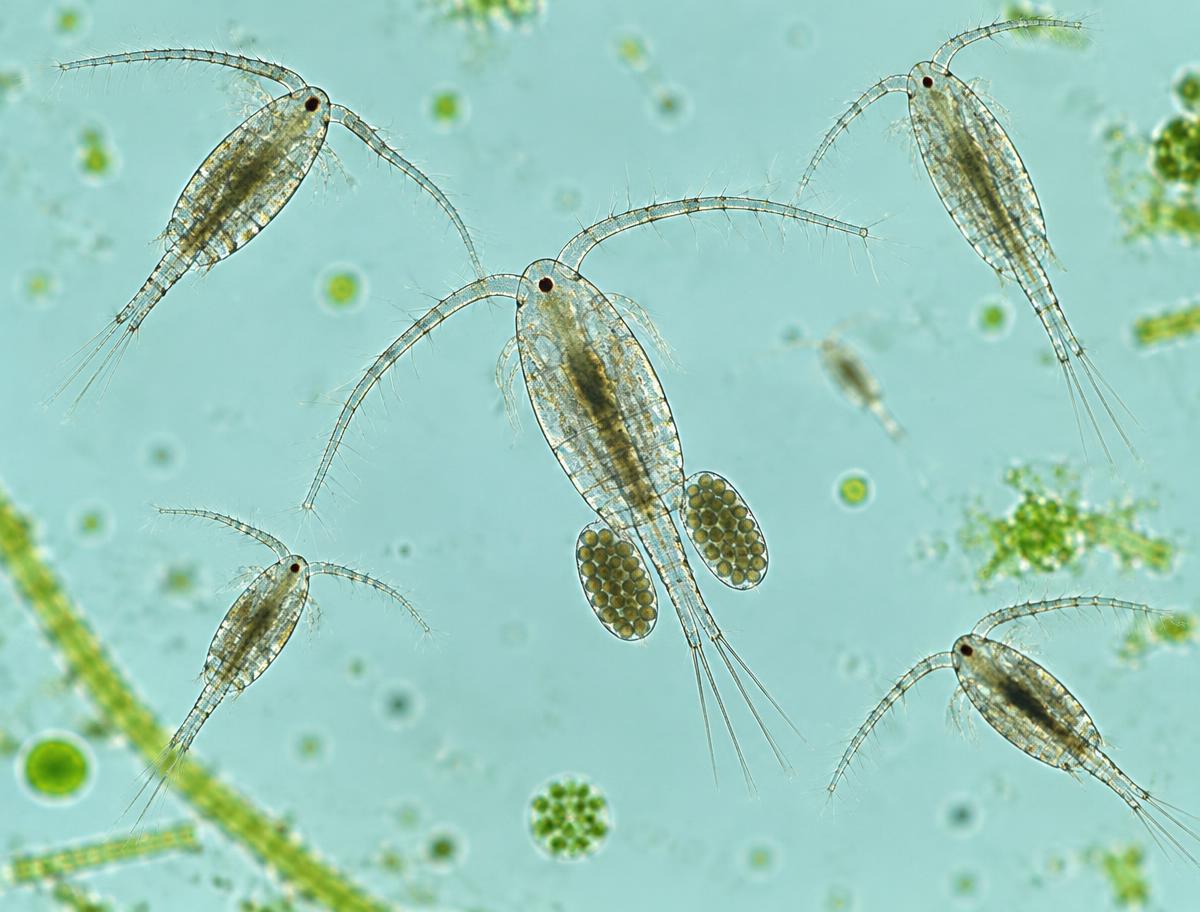
Join the waitlist
Be first to know when batches or cultures are ready for review. No payment, guaranteed allocation or promised ship date.
Small live food, a living freshwater culture
Copepods for fry and nano fish
Copepod nauplii and small individuals may suit appropriately sized fry and nano fish. Adult cyclopoids can prey on eggs or very small fry, so harvest and size-sort food rather than adding an unchecked culture to a breeding tank.
Copepods for shrimp tanks
A separate starter culture can add microfauna diversity to mature planted shrimp tanks. Copepods are not a substitute for shrimp nutrition, and each tank's livestock and water conditions should be evaluated before introduction.
Freshwater refugium and planted tank cleanup
Many cyclopoids consume microorganisms, fine organic particles and other small prey. A freshwater refugium can support populations away from fish predation, but copepods do not remove the need for filtration and maintenance.
How to culture and feed freshwater copepods
Start in a dedicated, clean freshwater container with dechlorinated water matched to the culture, gentle aeration and a stable room temperature around 68 to 78 degrees F (20 to 26 degrees C). Avoid copper, untreated tap water, overheating and a strong intake that removes the animals.
Feed small amounts of suitable freshwater microalgae, green water or a finely powdered culture food. Cyclopoid diets vary and may include other microfauna. Keep water lightly fed rather than opaque, and reduce feeding if odor or water quality deteriorates.
Monitor ammonia, replace small amounts of water with matched dechlorinated water and siphon excess debris carefully. Keep a backup culture separate so one failed container does not lose the entire population.
Harvest a portion through an appropriately sized plankton sieve and leave breeding animals behind. Check the harvested size under magnification before feeding fry. Starter culture volume, density, species mix and shipping method will be confirmed before any order proceeds.
Freshwater copepod culture questions
We are collecting waitlist and nonbinding pre-order interest for future starter cultures. Availability, price, culture volume and shipping dates are not confirmed.
Explore more Florida aquatics
 Waitlist
Live Saltwater Grass Shrimp
Palaemonetes pugio
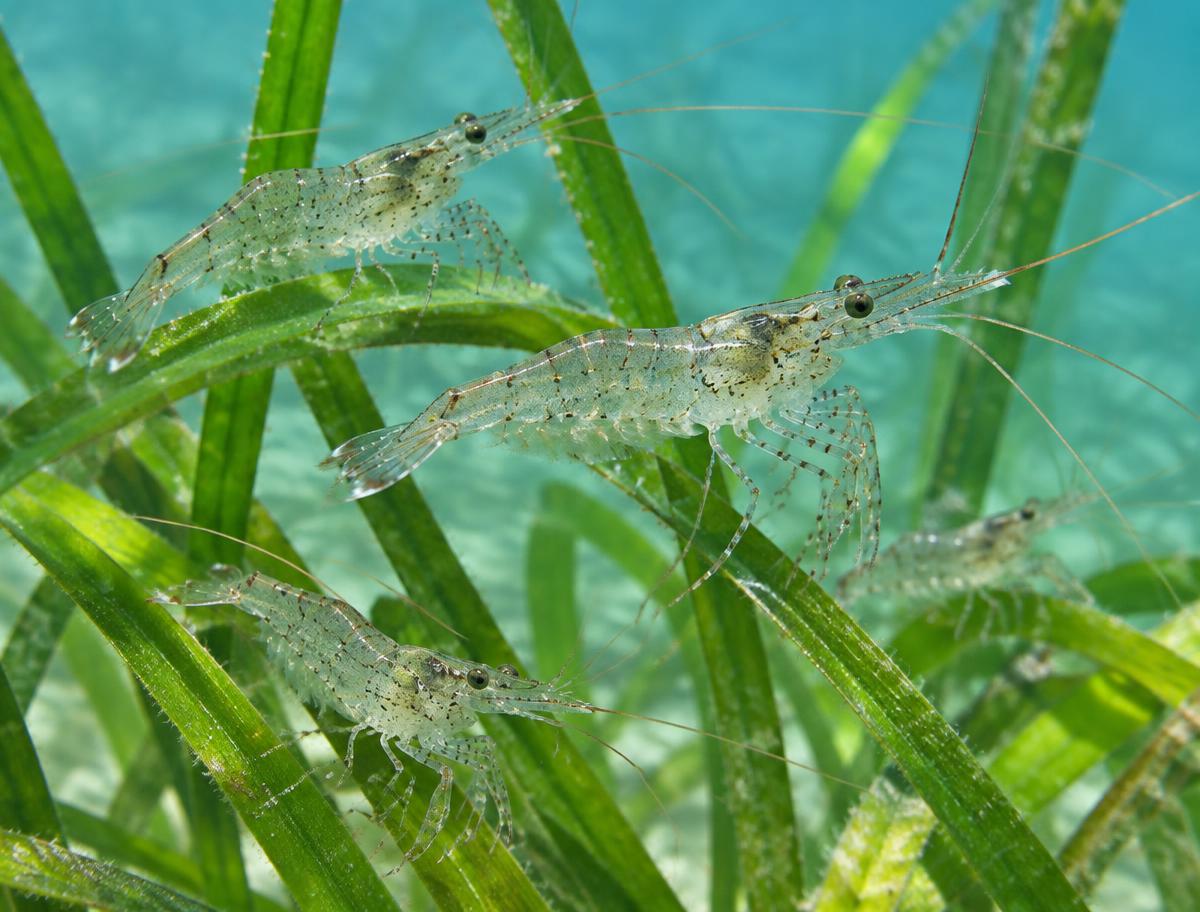
Saltwater grass shrimp, also called marsh grass shrimp, are small estuarine crustaceans with a place in marine aquariums, live feeding and inshore bait fishing. Join our Florida aquaculture waitlist to hear when batches are ready for review. No stock or shipping date is confirmed.
No payment today
Join the waitlist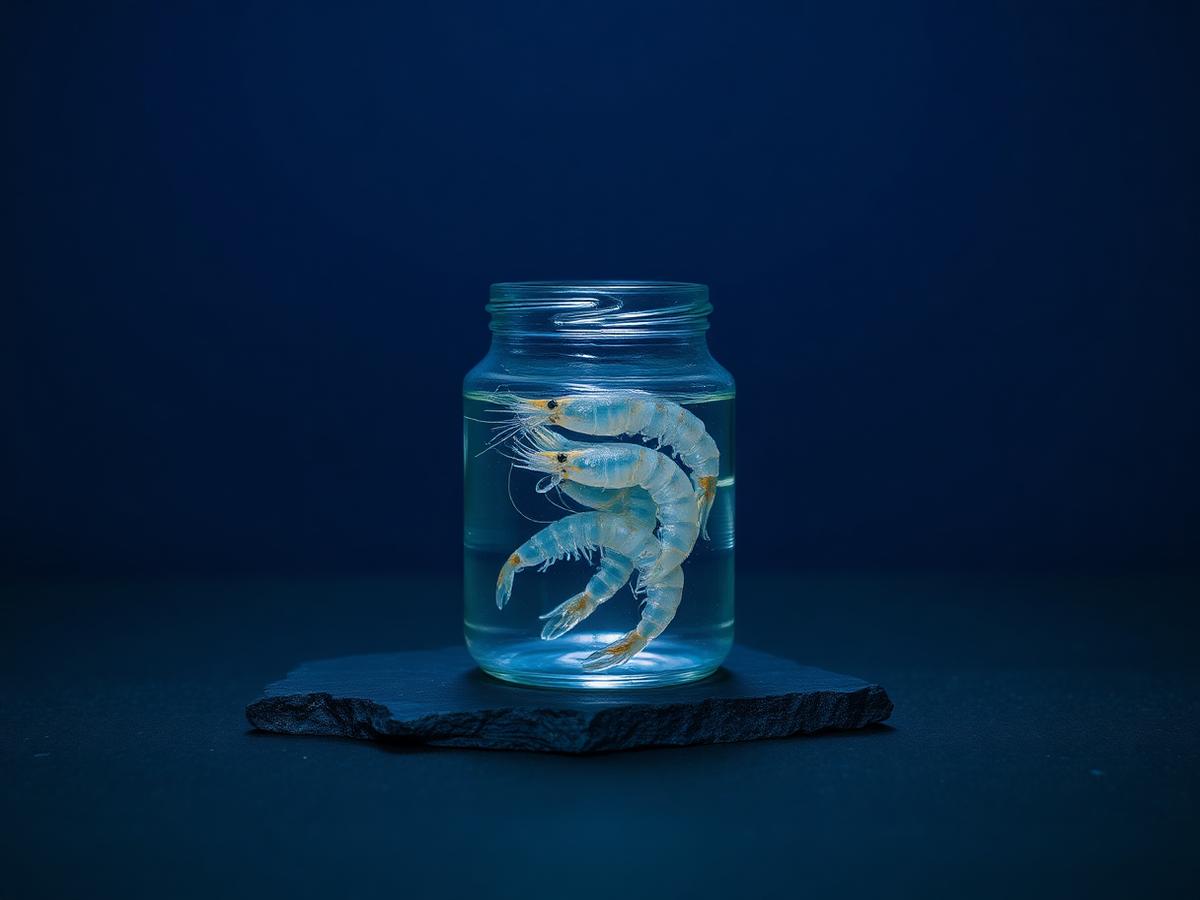
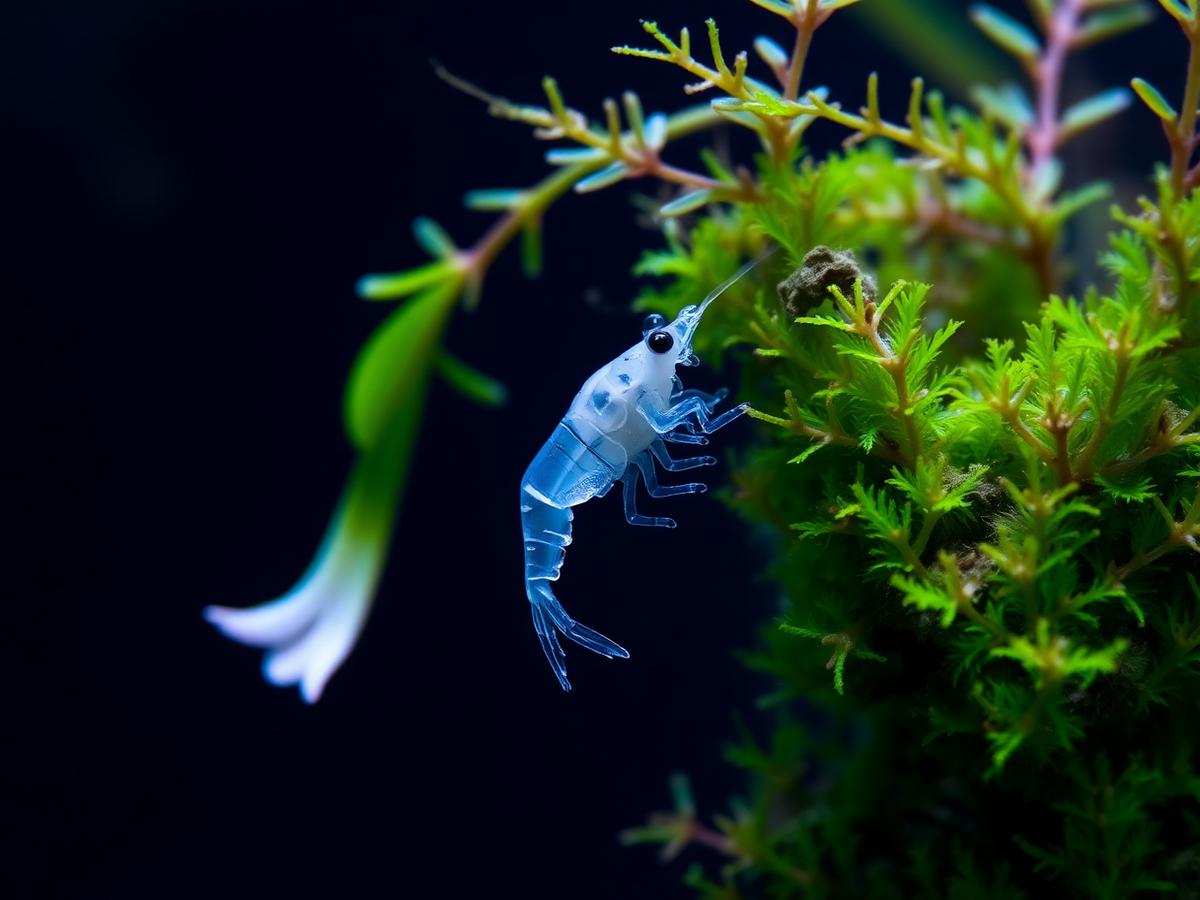
Live Ghost Shrimp 25 Count
A starter cleanup crew for tanks from 5 to 20 gallons. Enough shrimp to establish visible activity without overloading a small bioload.
$32
$1.28 each
 Most popular
Live Ghost Shrimp 50 Count
The size most hobbyists land on. Enough shrimp to keep a mid-size community tank clean, or to feed a single large predator for several weeks.
$49
$0.98 each