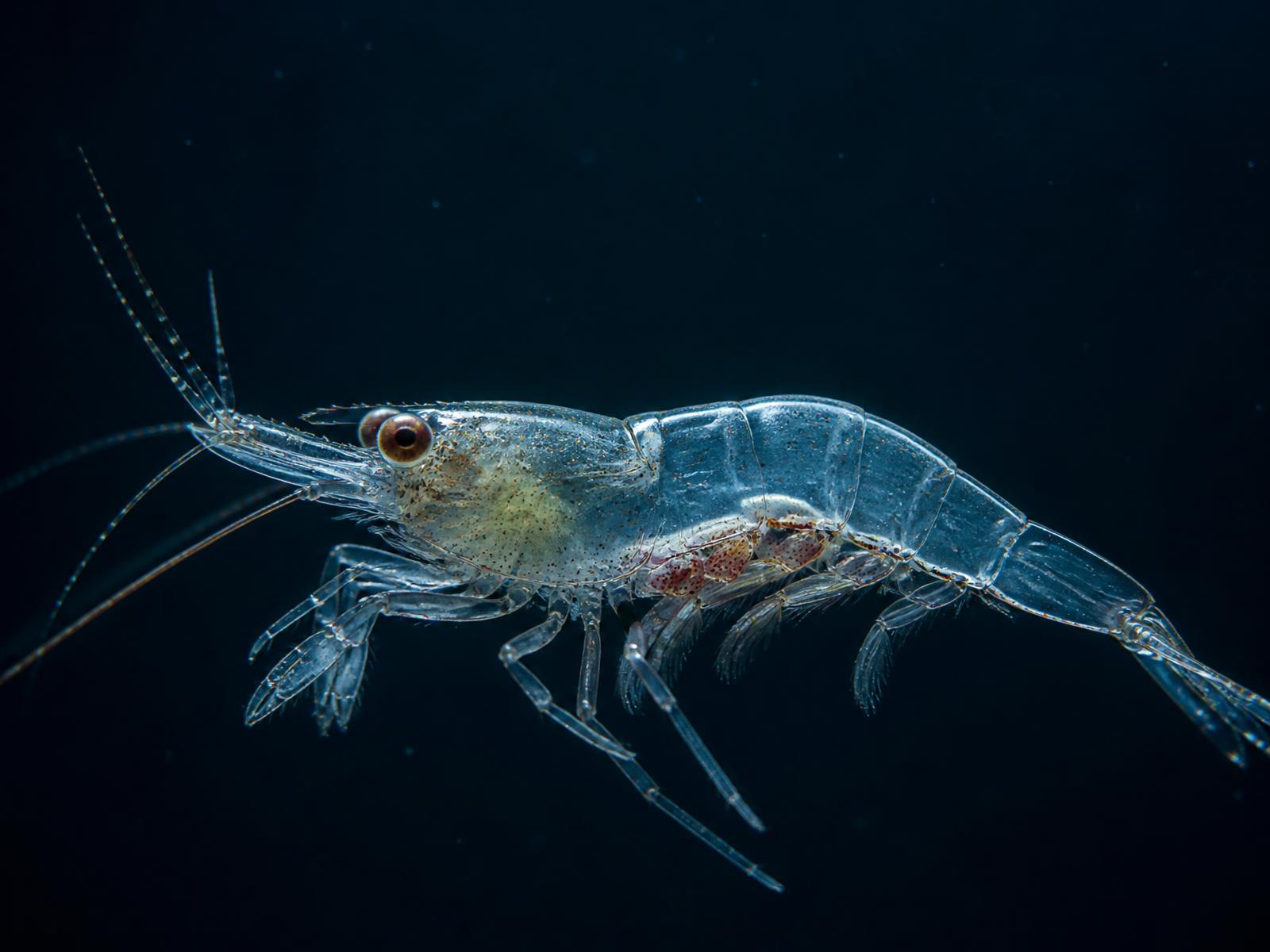
| Species | Palaemonetes pugio, a saltwater grass shrimp of Atlantic and Gulf coast estuaries |
|---|---|
| Why seahorses take it | Live movement triggers feeding; small prey fits a seahorse's snout |
| Water | Saltwater and brackish; acclimate to your tank's salinity slowly |
| Role in the diet | Treat or conditioning food alongside a frozen staple such as mysis |
| Gut-loading | Feed the shrimp quality food for a day before offering |
| Where to buy | Live saltwater grass shrimp, sourced in Florida |
Why live food matters for seahorses
Seahorses are ambush predators that eat small crustaceans in the wild. Many captive seahorses are trained onto frozen mysis, but live food is still useful: it gets new or stressed seahorses eating, adds variety, and helps condition adults. Live food that survives in salt water stays fresh until eaten instead of fouling the tank.
Saltwater grass shrimp for seahorses
Palaemonetes pugio is a small saltwater grass shrimp that lives in Atlantic and Gulf coast estuaries, salt marshes and seagrass beds. It handles a wide salinity range, which makes it easy to move into a marine aquarium. Adults are a good size for adult seahorses, and the shrimp graze leftover food while they wait to be eaten.
| Food | Water | Best use |
|---|---|---|
| Saltwater grass shrimp | Salt or brackish | Live treat and conditioning food for adult seahorses |
| Freshwater ghost shrimp | Fresh water only | Occasional treat eaten right away |
| Frozen mysis | Thawed | Daily staple diet |
Gut-loading grass shrimp
Shrimp are only as nutritious as what they have eaten. Keep grass shrimp in a small saltwater container with an air stone and feed them quality flake, spirulina or enriched foods for a day before offering them to your seahorses.
- Set up a small saltwater container at your tank's salinity with an air stone.
- Feed the shrimp a pinch of quality food once or twice.
- Wait about a day, then net out what your seahorses will eat.
- Keep the container clean and do not crowd it.
How to feed live shrimp to seahorses
- Acclimate the shrimp to temperature and salinity before adding them.
- Offer a few shrimp at a time, near where your seahorses hunt.
- Turn off strong pumps briefly if shrimp are swept away before the seahorses can strike.
- Watch that each seahorse gets a share.
- Keep a frozen staple as the main diet.
Common mistakes
- Adding bag water to the display tank.
- Offering shrimp too large for the seahorse's snout.
- Skipping gut-loading, which wastes much of the nutrition.
- Overfeeding live food so uneaten shrimp crowd the tank.
Frequently asked questions
What live food is best for seahorses?
Small live crustaceans are the most natural choice. Saltwater grass shrimp suit adult seahorses well because they live in salt water and move like natural prey. Most keepers use live food alongside a frozen staple such as enriched mysis.
Can seahorses eat grass shrimp?
Yes. Adult seahorses readily eat saltwater grass shrimp that fit their snout. Very large shrimp may be ignored, so smaller shrimp work best.
How often should I feed live shrimp to seahorses?
Many keepers offer live shrimp a few times a week as a treat or conditioning food, with frozen food as the daily staple. Watch your seahorses and adjust so food is eaten and the tank stays clean.
Are saltwater grass shrimp the same as freshwater ghost shrimp?
No. Saltwater grass shrimp (Palaemonetes pugio) live in salt and brackish water. Freshwater ghost shrimp (Palaemonetes paludosus) live in fresh water and die within a short time in a marine tank. Our freshwater treat guide covers that option.
How do I acclimate grass shrimp to my seahorse tank?
Float the sealed bag to match temperature, then add small amounts of tank water to the bag over 30 to 60 minutes so the shrimp adjust to your salinity. Net the shrimp into the tank and discard the bag water.
Where can I buy live grass shrimp?
We sell live saltwater grass shrimp, sourced in Florida, on our grass shrimp page, which lists current sizes and prices.
Sources
- Animal Diversity Web: Palaemonetes pugio (daggerblade grass shrimp)
- Animal Diversity Web: Hippocampus (seahorses)
- NOAA Ocean Service: seahorses
- Project Seahorse (University of British Columbia)
- Wikipedia (supplement): Gut loading
Husbandry notes are general guidance for hobbyists. Check your state's rules before keeping, releasing or using live animals as bait.